S.A.C.R.D. which stands for Synchronizing Action on Cacti Resiliency Directives is an Indigenous and Allies led/run 508(c)(1)(a) nonprofit based in Arizona, dedicated to the protection of the Sacred Peyote cactus. Our culturally diverse team is made up of Indigenous peoples, cultivation experts, community activists, and spiritually centered humans.
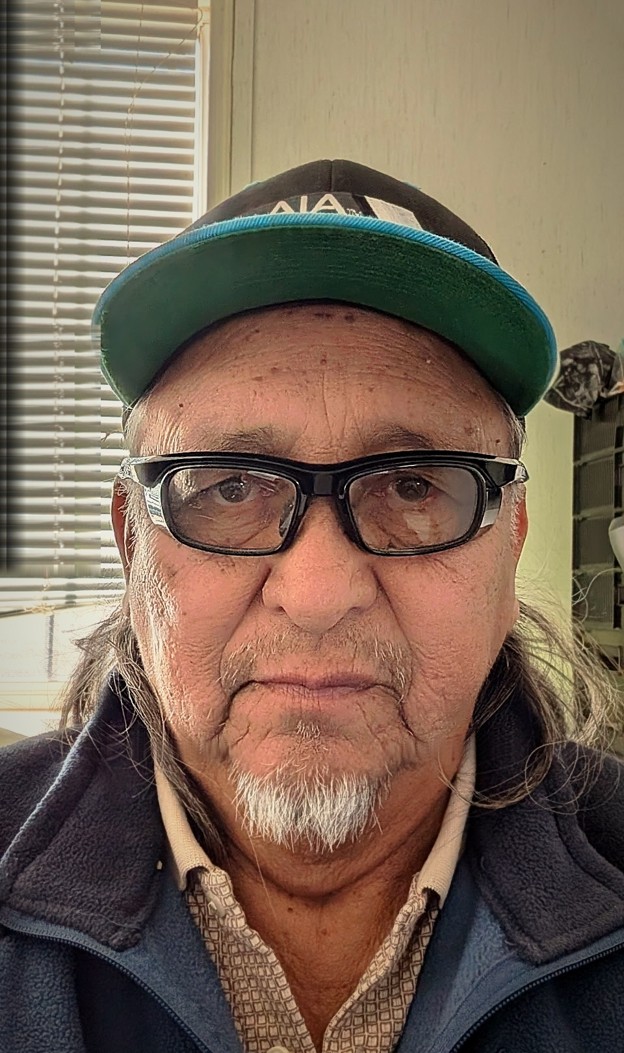
Arnold Slowman
Executive Director
Arnold Slowman is a member of the Diné Nation (Navajo Nation), from the Mud Clan. Traditionally raised on the Navajo Reservation, Arnold is fluent in both English and Diné and carries deep cultural knowledge rooted in his family lineage.
Arnold is a Diné Peyote Roadman and an active member of Azee’ Bee Nahagha’ of Diné Nation (ABNDN). He has served his community in numerous leadership roles, including eight years as President of the Tolikan Community ABNDN, two years as Treasurer, and as Vice President and Community Leader of the Tolikan Chapter. His lifelong service reflects a deep commitment to Indigenous community, cultural continuity, and responsible stewardship.
Arnold also brings more than three decades of professional experience in environmental science and stewardship. He worked at the Four Corners Power Plant from 1985 to 2017, ultimately serving as a Senior Environmental Scientist before retiring.
As Executive Director of S.A.C.R.D., Arnold brings together Indigenous leadership, cultural knowledge, environmental experience, and a lifelong commitment to community service. He is dedicated to advancing S.A.C.R.D.’s mission of protecting, preserving, cultivating, and restoring Sacred Peyote while supporting education, responsible stewardship, and its continuity for future generations.
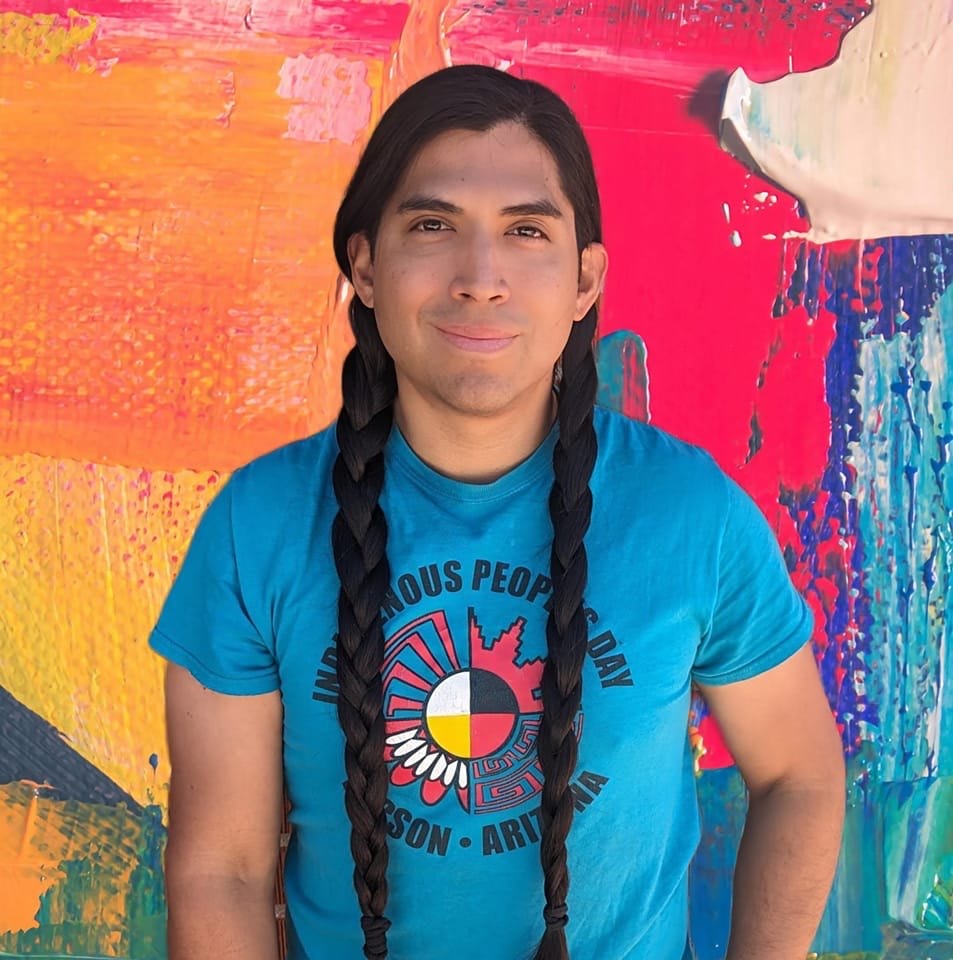
Ricky Triana
Indigenous Stewardship Council Director
Ricky Triana is a proud member of the Pascua Yaqui Tribe, based in Chuckson (Tucson), Arizona, on the ancestral lands of the Tohono O’odham people. As Director of S.A.C.R.D.’s Indigenous Stewardship Council, Ricky plays a central leadership role in helping safeguard the organization’s mission, values, and long-term direction through Indigenous oversight and cultural accountability. The Indigenous Stewardship Council serves as S.A.C.R.D.’s final review body, providing Indigenous-led guidance and final voting authority on organizational decisions and initiatives that have first been reviewed by the Board of Directors and the Operations Department, helping ensure the organization remains aligned with Indigenous perspectives, cultural ethics, and the sacred responsibility of protecting Peyote and related traditions.
Deeply committed to Indigenous cultural preservation and reclamation, Ricky brings a strong foundation of traditional knowledge, community engagement, and program development to his leadership. An educator and cultural practitioner, he specializes in teaching Indigenous crafts, including the creation of ceremonial drums and rattles, while helping others reconnect with ancestral teachings, ceremony, and sacred cultural practices.
Ricky is a graduate of Stanford University and earned his MBA from University of Arizona with a focus on Marketing and Program Development. He combines his professional expertise with a passion for mission-driven leadership, strategic growth, and community-centered initiatives that support Indigenous sovereignty, sacred medicines, conservation, and long-term cultural resiliency through his work with S.A.C.R.D.
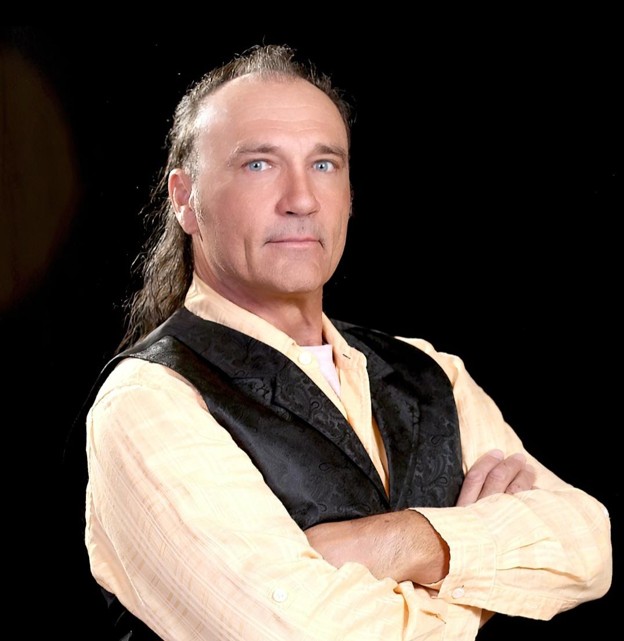
Clint Frakes
Operations Advisor
Dr. Clint Frakes, Ph.D. is a 35-year baptized member of the Native American Church, affiliated with the Crow Creek Agency #3586 and Rosebud Central #1 chapters. A veteran Sun Dancer, award-winning poet, writer, and lifelong educator, Dr. Frakes has dedicated much of his life to the preservation of Indigenous spiritual traditions, cultural education, and community healing.
Living in Cornville, Dr. Frakes operates a grief and loss retreat program and ministry in Northern Arizona, providing guidance and support to individuals navigating life transitions, healing, and spiritual growth. His work is deeply rooted in ceremony, service, and fostering meaningful connections between people, land, and sacred traditions.
As Operations Advisor and a supporter of S.A.C.R.D., Dr. Frakes brings decades of lived experience, spiritual leadership, and educational insight to the organization’s mission of protecting and conserving endangered Lophophora williamsii.
His lifelong commitment to honoring sacred medicines, Indigenous teachings, and ecological stewardship helps strengthen S.A.C.R.D.’s work in conservation, seed banking, habitat restoration, and community education.
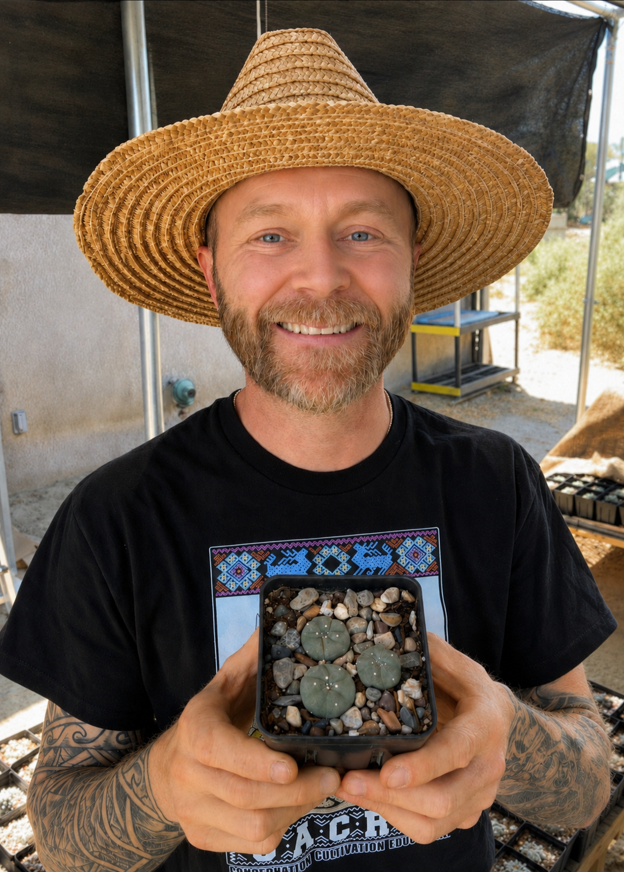
Anthony Morelli
Cultivation Director
Anthony Morelli is the Cultivation Director and one of the founding members of S.A.C.R.D. He brings a unique combination of technical skills, hands-on experience, and a deep connection to cacti cultivation. With a background as a Welder/Fabricator, CNC Machinist, and Operations/Production Manager, Anthony has applied his technical expertise to the art and science of cultivating cacti, becoming an experienced cultivator with a deepening respect and love for Sacred Peyote.
Anthony’s journey into cacti cultivation began in his youth under the guidance of his father, a dedicated cultivator with more than 60 years of experience growing many species of cacti. Much of Anthony’s knowledge and passion comes from the lessons passed down through that relationship, which deepened during the final five years of his father’s life when they cultivated Peyote together. That time became a meaningful bonding experience and strengthened Anthony’s personal connection to the Sacrament.
In 2022, driven by a desire to protect Sacred Peyote and create meaningful change, Anthony helped found S.A.C.R.D. He remains committed to conservation, cultivation, community education, and protecting Peyote’s natural habitat while honoring his father’s legacy through the work they once dreamed of building together.
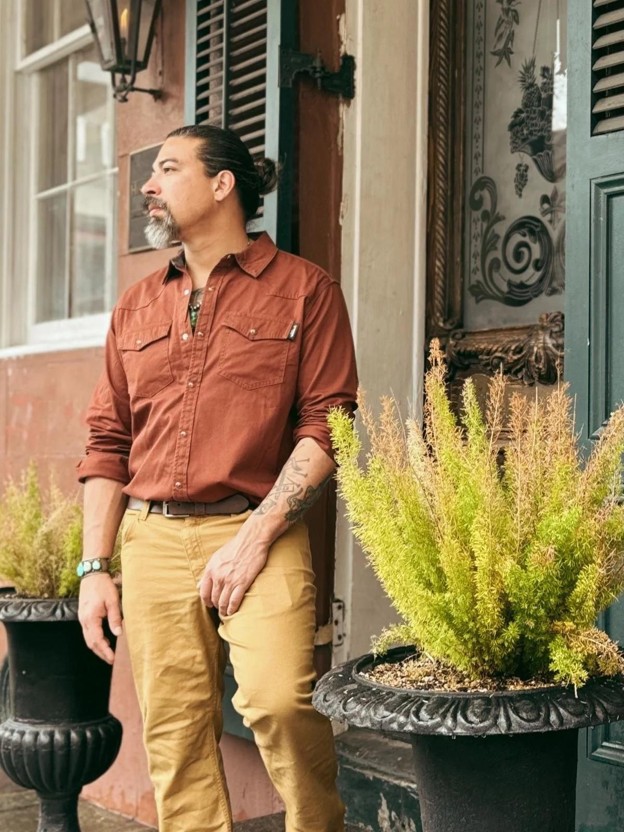
Hunter Thundercloud
Indigenous Stewardship Council Member
Hunter Thundercloud, Wᾳᾳkejahuuga, is a proud member of the Ho-Chunk Nation and of the Thunder Clan. As a member of S.A.C.R.D.’s Indigenous Stewardship Council, Hunter brings a strong background in Indigenous entrepreneurship, community development, cultural advocacy, and holistic wellness. His role helps support S.A.C.R.D.’s long-term vision by contributing leadership experience, strategic insight, and a deep commitment to Indigenous wellbeing, cultural preservation, and community resilience.
Hunter began his entrepreneurial journey in 2009 by launching his first construction and property management business, where he developed a passion for creating opportunities that support underserved communities. Over the years, he has built and led multiple successful businesses in construction, housing, and logistics, strengthening his experience in operations, leadership, and sustainable organizational growth.
Driven by a commitment to healing and cultural continuity, Hunter later founded Thundermaker Cultural Recovery, a 501(c)(3) nonprofit dedicated to preserving traditional Native American practices through recovery support and holistic wellbeing. Through this work, he has helped facilitate healing spaces, community events, charitable outreach, and traditional wellness programming that support Native communities in recovery and reconnection. This mission later expanded into the creation of Thundermaker Wellness, a Native American-owned wellness center in Prescott, Arizona, serving American Indian and Alaska Native communities through integrated mental health, substance use support, and traditional healing practices.
Hunter’s guiding principle, “Our People, Our Recovery,” reflects his dedication to strengthening Indigenous communities through healing, cultural continuity, and self-determined systems of care. Through his work with S.A.C.R.D., he remains committed to helping protect sacred medicines, uplift Indigenous leadership, and support future generations through culturally grounded stewardship and advocacy.
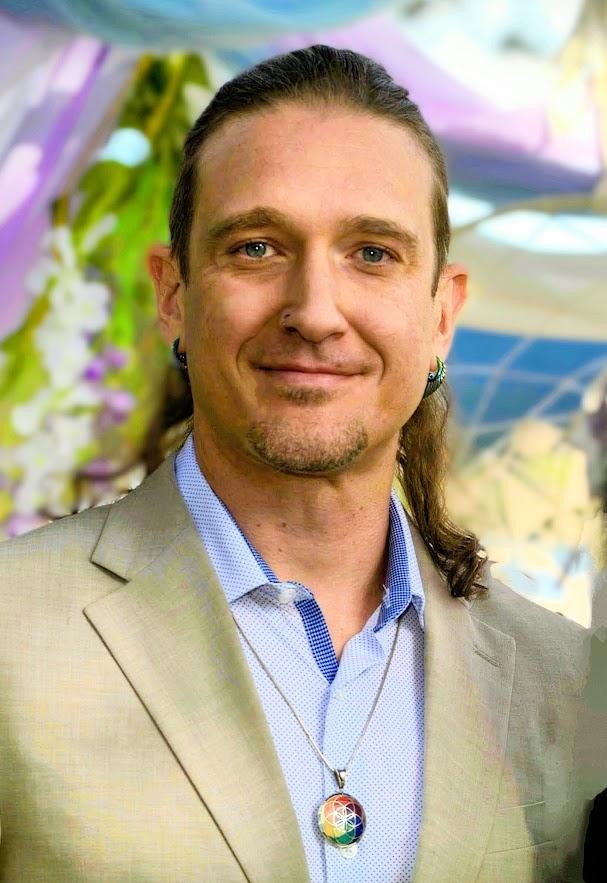
Tao Fallenstar
Legal Counsel
Tao Fallenstar is a common law consultant and founder of The Sovran Soul Society, with a focus on self-governance, natural law, and building mission-aligned organizational structures rooted in integrity and sovereignty.
As legal architect and advisor for S.A.C.R.D., Tao was instrumental in establishing the organization’s 508(c)(1)(a) foundation and continues to guide its legal and governance matters. His work helps support S.A.C.R.D.’s mission of conserving endangered Lophophora williamsii through sustainable cultivation, seed banking, habitat restoration, and community education.
Through his blend of legal strategy, spiritual grounding, and decentralized organizational design, Tao supports communities working toward ecological stewardship, cultural preservation, and regenerative futures.
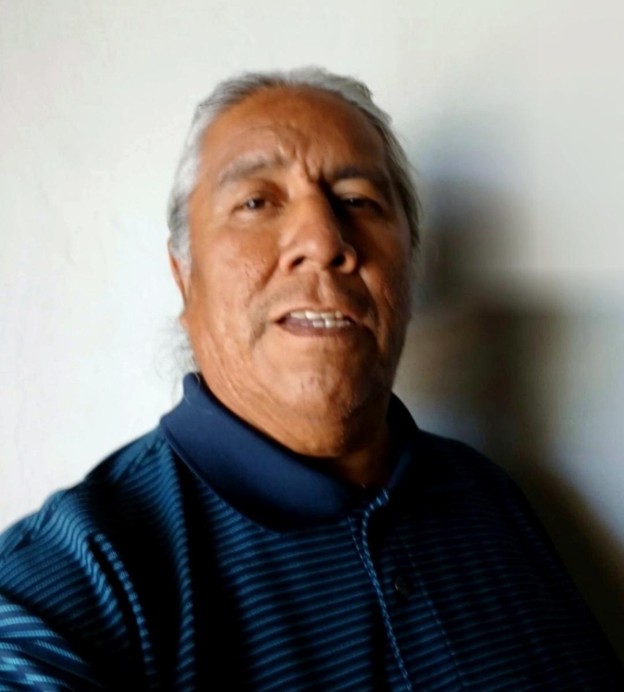
Richard Pablo
Indigenous Stewardship Council Member
Richard Pablo is a proud member of the Tohono O’odham Nation and currently resides in the Chukut Kuk District of the T.O. Reservation, where he was also raised. He is fluent in both English and the Tohono O’odham language and is deeply committed to ensuring that younger generations learn, preserve, and carry forward their language so it is never lost. He is a Boarding School survivor, having attended Intermountain Indian School in Brigham City, Utah from 1981 to 1984.
After entering recovery in 2010, Richard dedicated himself to personal growth and community service. He attended Tohono O’odham Community College, which marked a turning point in his commitment to supporting his people. From there, he served as a representative for the school board, led the Sustainable Recycling Initiative, and participated in the Himalayan Culture Committee from 2013 to 2017. His work has consistently reflected a deep commitment to cultural preservation, environmental responsibility, and community wellbeing.
Richard has long been recognized as a strong advocate for cultural integrity, language preservation, and ceremonial traditions. He was invited to speak at the Native American Institute of Art in 1985 and at the EPA Conference in 1986. As a person in recovery, he has also shared his experience, strength, and hope at the SAMHSA Convention on multiple occasions, supporting others in overcoming alcohol and substance addiction within Native communities.
He was also an integral part of the Tohono O’odham Language Restoration Project from 2014 to 2016 and later worked at the Himdag Ki Museum from 2018 to 2019, focusing on archival research and language translation work.
As a member of S.A.C.R.D.’s Indigenous Stewardship Council, Richard brings lived experience, cultural leadership, and a strong voice for language and cultural preservation. He is committed to ensuring that Indigenous perspectives are fully represented in all organizational decisions and that S.A.C.R.D.’s work continues to support the protection of peyote, cultural revitalization, and the safeguarding of Indigenous lifeways for future generations.
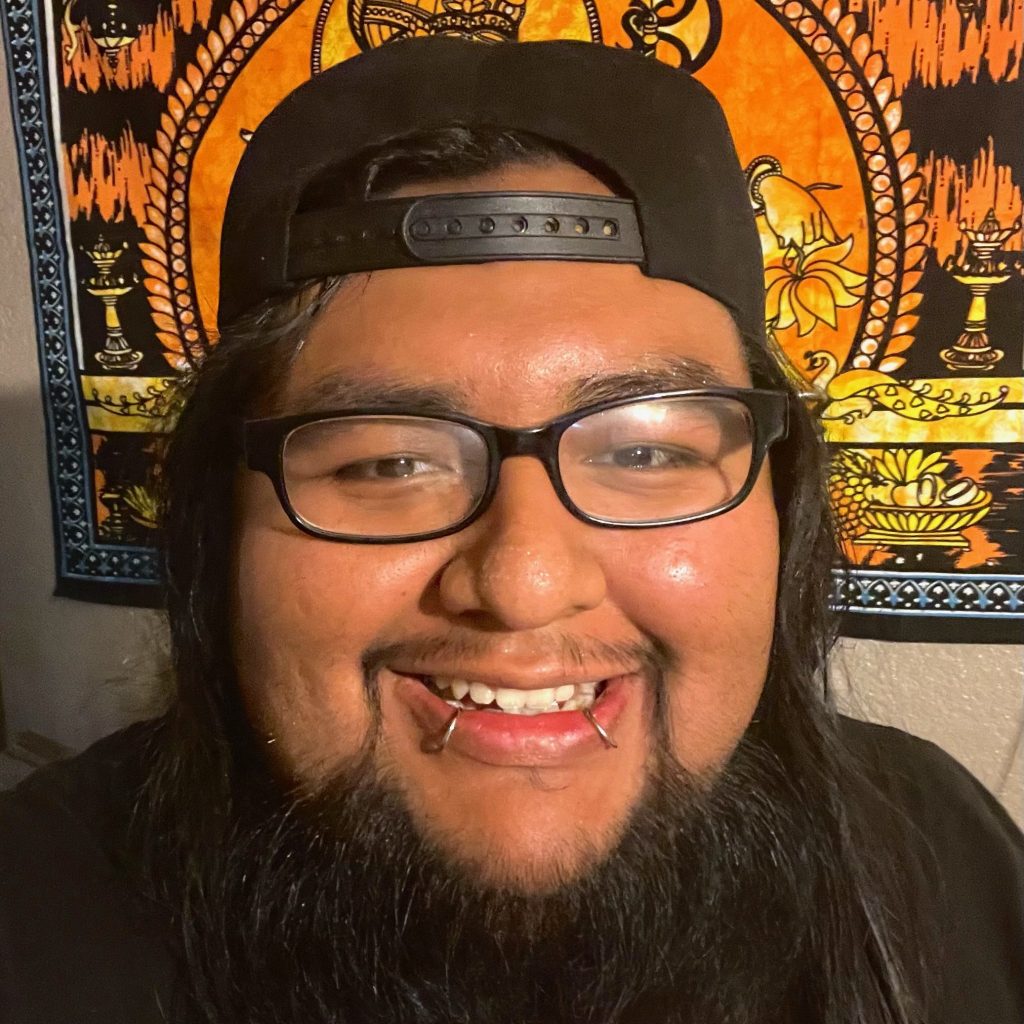
Elijah Francisco
Indigenous Stewardship Council Member
Elijah Francisco is a 28-year-old member of the Tohono O’odham Nation, born and raised in Phoenix, Arizona. He serves as a member of S.A.C.R.D.’s Indigenous Stewardship Council, where he contributes to the organization’s cultural integrity, Indigenous-centered guidance, and long-term mission of Peyote conservation and ecological stewardship. Elijah is deeply committed to protecting sacred plant medicines and ensuring that Indigenous perspectives remain central in all organizational decision-making.
From an early age, Elijah was introduced to plant-based healing traditions through his grandmother, Audelia, whose knowledge of natural remedies for a wide range of ailments instilled in him a lifelong respect for the healing intelligence of the natural world. He credits both his grandmother and his father for shaping his understanding of plants, ceremony, and spirituality, including his early introduction to the sacred medicine of peyote. These teachings formed the foundation of his belief that plants and sacred tools carry living spirit and must be approached with humility, respect, and responsibility.
Elijah’s connection to plant medicine and holistic healing led him to join S.A.C.R.D. after learning about the ongoing desecration of Peyote’s natural habitat. Motivated by a sense of responsibility to protect and restore this sacred species, he brings a strong voice for ecological awareness, cultural respect, and intergenerational stewardship to the Indigenous Stewardship Council. He views this work as part of a broader commitment to ensuring the survival of peyote and the continuation of the ceremonial traditions it supports for future generations.
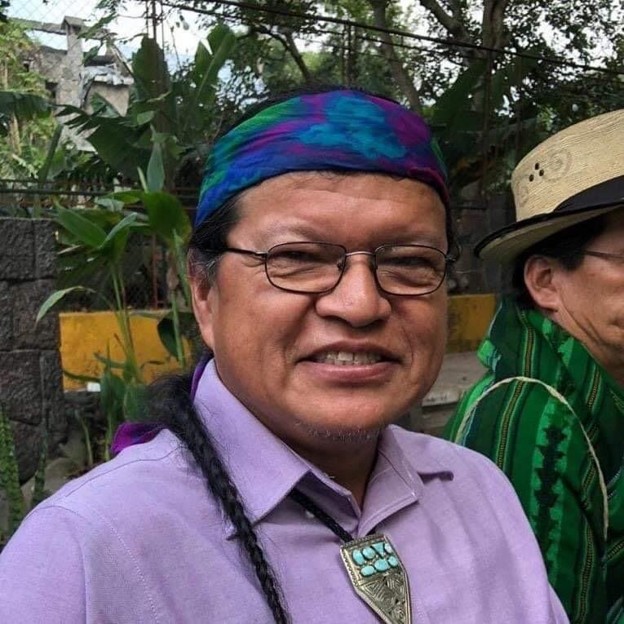
Patrick Scott
Indigenous Stewardship Council Member
Patrick Scott was born in Tuba City, Arizona in 1966 and raised in White Mesa between Tonalea and Kaibeto, Patrick Scott is of the Bitterwater Clan, born for the Manygoats Clan. Raised in a traditional Diné household, he did not speak English until entering the boarding school system at age seven. His early life was rooted in herding sheep, horses, and cattle, which instilled a strong work ethic and deep connection to land, family, and responsibility.
Patrick attended Tuba City Boarding School and graduated from Tuba City High School in 1985. He went on to study at Haskell Indian Nations University, earning an Associate’s Degree in Welding, and later completed a Bachelor’s Degree in Business Management at Northern Arizona University in 1995. His educational path reflects persistence and dedication, overcoming early challenges to build a foundation for both professional and artistic success.
Patrick began creating traditional fans while still in high school, later dedicating himself fully to his art after college. His work quickly gained recognition for its craftsmanship and cultural depth, and is now held in permanent collections including the Gilcrease Museum and the Smithsonian National Museum of the American Indian, as well as private collections worldwide.
As a member of the Indigenous Stewardship Council supporting S.A.C.R.D., Patrick contributes his cultural knowledge, ceremonial understanding, and commitment to Indigenous stewardship and sacred preservation. His role reflects a dedication to protecting traditional practices and supporting the continuity of ceremonial life for future generations.
Patrick is known for creating ceremonial prayer fans, gourd rattles, drumsticks, and other sacred items used in Native ceremonies, healing practices, and Pow-wows. Each piece is crafted with intention and respect, guided by ancestral teachings and the understanding that these items serve as tools for prayer, healing, and connection to the spiritual world.

