1. Cultivation & Seed Banking (33%)
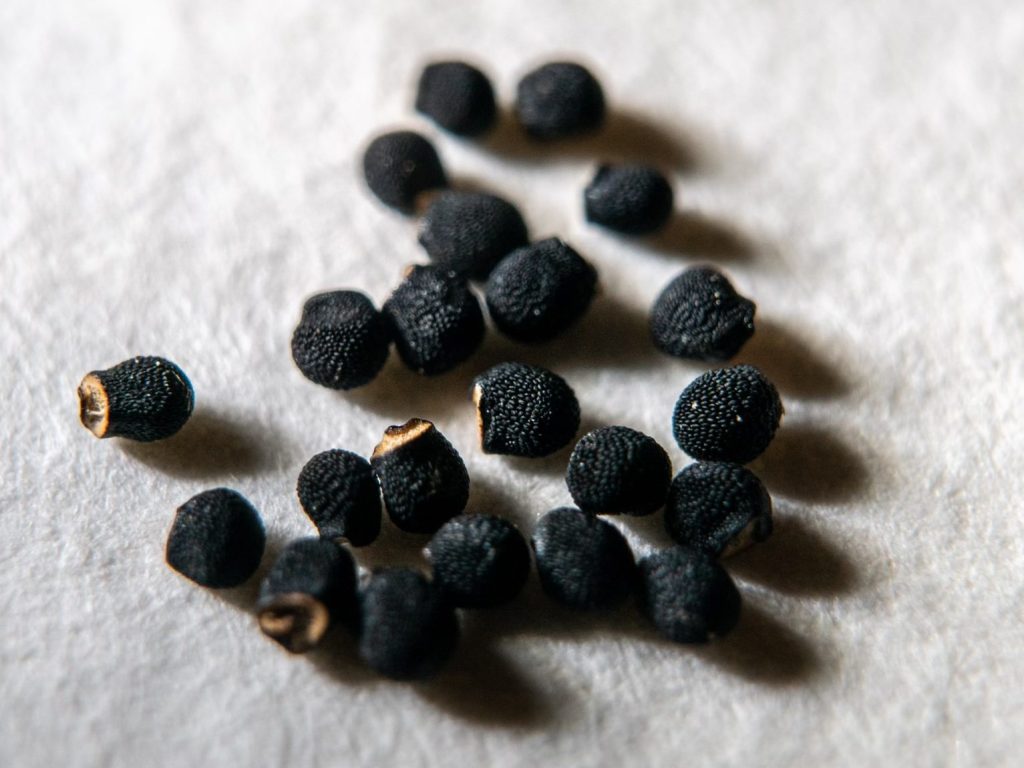
At the heart of S.A.C.R.D.’s mission is the cultivation of Peyote for Seed Banking purposes. These cacti will be kept in controlled, sustainable greenhouse environments and we will use these cacti to produce seed for all of our future planting cycles, ensuring the sustainability of our projects.
Key Initiatives:
- Greenhouse Cultivation: Using advanced, eco friendly, organic techniques to maximize growth and yield.
- Seed Production: Optimum conditions and continuous pollination will boost seed production to maintain genetic diversity and self sufficiency.
- S.A.C.R.D. will maintain a continuous cycle of seed production, ensuring a constant supply of new seeds for immediate use and long-term conservation. This proactive approach prevents seed shortages and supports S.A.C.R.D.’s mission to preserve Peyote.
- By producing our own seeds, S.A.C.R.D. reduces reliance on external sources, making our organization completely self-sufficient. This ensures continuity in S.A.C.R.D.’s work, regardless of outside challenges.
- S.A.C.R.D. prioritizes genetic diversity in its seed bank, as it plays a critical role in the cacti’s resilience to diseases, environmental changes and re wilding efforts. This approach ensures the long-term health and vitality of this treasured species.
This method nurtures self-sustaining growth cycles while safeguarding the Sacred integrity of the Peyote cactus.
2. Conservation Initiatives & Rewilding (33%)
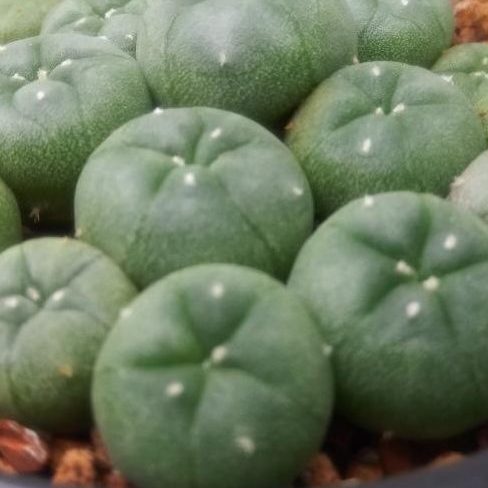
This structured approach focuses on both aspects of conservation and cultivation, ensuring that S.A.C.R.D. will maintain a sustainable Peyote population on highly protected plots of land we own and steward. These “Rewilding Plots” will create thriving habitats that support ceremonial, ecological, cultural, and scientific research purposes. They will also alleviate pressure on wild populations while empowering future generations to carry these efforts forward. Once grown in our greenhouses to maturity at roughly 3.5 years old these cacti will be “Hardened off” for one extra year by slowly exposing them to more light, cutting back on the watering schedule, exposing them to extreme heat for that summer and near freezing temperatures for the winter prior to moving them into the outdoor environment. These calculated and deliberate changes in conditions will ensure they will be hearty enough to withstand whatever nature throws at them. In addition to the hardening off process we will be planting nurse and companion plants where these cacti will be replanted helping to create a conducive environment by offering shade, improving soil conditions and promoting ecological balance similar to their native environment. These companion plants will be introduced two years prior to the Peyote being replanted to ensure they are well rooted and established which will foster biodiversity and ecological balance.
Protected Plots Will Serve Multiple Purposes:
- Ceremonial Pilgrimage Sites: These sites will be designated as Sacred spaces where individuals can safely engage in their spiritual practices and connect with the land, allowing for the continuation of traditional ceremonies in a safe, spiritually harmonious environment.
- Scientific Research Locations: S.A.C.R.D.’s protected plots will serve as dedicated spaces for botanical and scientific research aimed at deepening our understanding of the ecological requirements of Peyote and other plants. This will ensure that the restoration efforts are informed by data and contribute to broader environmental knowledge.
- Cultural Center Development: These lands will provide the space to build cultural centers that promote education and awareness on the traditional, spiritual and cultural significance of this Sacrament, strengthening the connection between the community and their Sacred traditions.
3. Education & Community Cultivation (Aka CRI) (33%)
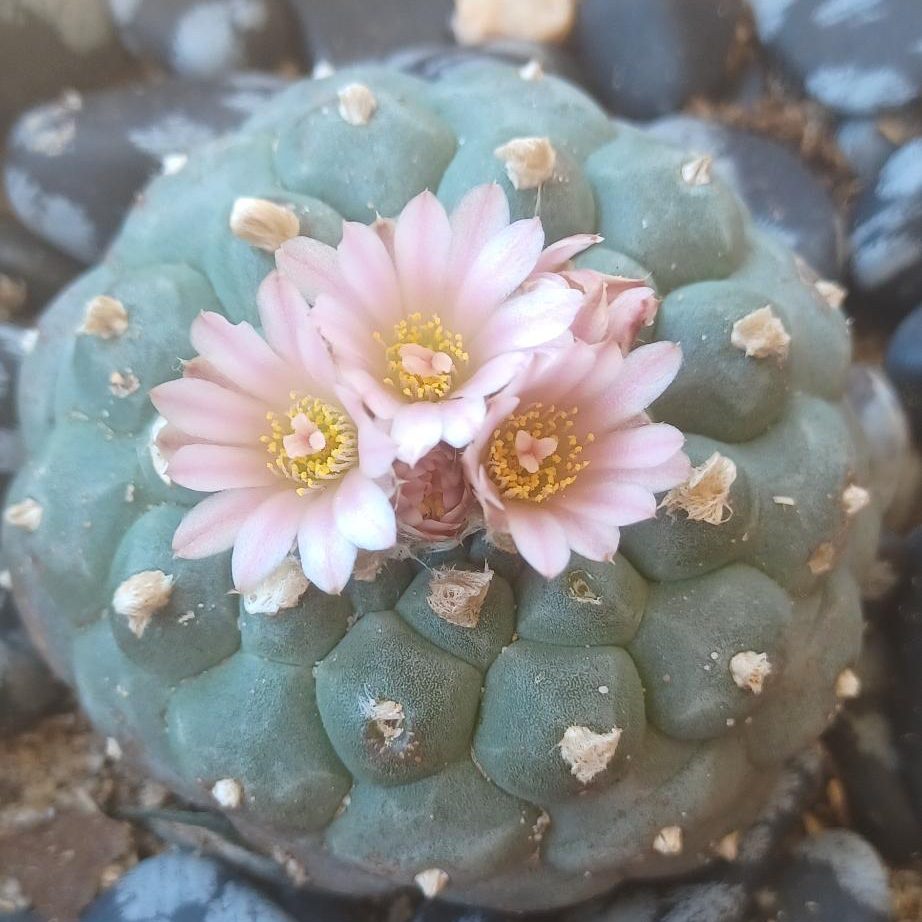
This initiative focuses on empowering Indigenous communities by providing the support, knowledge, resources, and tools to establish self-sustaining greenhouse operations. These greenhouses will be managed on Indigenous lands, by Indigenous people, in alignment with their cultural traditions and will ensure sustainable annual harvests. The goal is to reduce pressure on natural Peyote populations caused by ceremonial harvesting while passing stewardship to future generations.
Cacti Resiliency Initiative (CRI)
Overview
The Cacti Resiliency Initiative (CRI) addresses the critical need to alleviate pressure on the natural Peyote supply caused by ceremonial use. With natural habitats in Mexico and Texas increasingly destroyed by commercial development, urban expansion, climate change, and unsustainable harvesting practices, S.A.C.R.D. created the CRI to offer Indigenous communities the tools to grow their own Sacrament responsibly.
By donating greenhouse-grown Peyote seedlings and offering comprehensive cultivation support, the CRI empowers communities to grow Peyote on their terms—even in climates unsuitable for outdoor cultivation. This initiative promotes long-term sustainability, ensuring access to this Sacred plant for spiritual, cultural, and conservation purposes.
Program Details
Initial Pilot Program:
S.A.C.R.D will donate 1,500 one-year-old Peyote seedlings to two Tribal groups in Arizona and two Tribal groups in Texas, with plans to expand nationwide as funding and support grow.
Recipient Qualifications:
- Must own land in Arizona or Texas under “Fee Simple Ownership” with access to a well or municipal water.
- Must currently use Peyote in religious ceremonies and reside in states where it is legally permissible.
- Must have a team of at least 4 people to manage greenhouse operations and administrative tasks.
- Must commit to spiritual and conservation purposes, with no commercialization/sale of Peyote.
- They must agree not to mix drugs or alcohol in or around the CRI project or their Ceremonies.
Support Provided By S.A.C.R.D.:
- Grant Application Assistance: S.A.C.R.D. will collaborate with recipients to apply for federal, state, and philanthropic grants for a greenhouse, complete operational costs and all cultivation supplies necessary for a successful grow operation.
- Operational Setup: S.A.C.R.D.’s three member cultivation team will deliver seedlings, assist with setup, and provide on-site training for one week to ensure success.
- Educational Resources: S.A.C.R.D. will provide instructional videos and workshops on sustainable Peyote care, pollination, and harvesting techniques to guarantee multiple seasonal harvests while preserving sustainability.
- Ongoing Technical Support: S.A.C.R.D. will provide access to our Cultivation Team and our Cultivation Advisory Board, comprised of Botanists and Scientists with over 150 years of combined Peyote cultivation experience.
Long-Term Vision:
This pilot project is the first step in scaling greenhouse Peyote cultivation nationwide. By combining CRI’s efforts with S.A.C.R.D.’s existing rewilding and seed banking initiatives, this program will foster thriving Peyote populations and sustainable harvesting practices for future generations.
Additional Community Programs:
- Community Engagement: Regular meetings to gather feedback and align the project with local values.
- Educational Outreach: Workshops and materials to teach Peyote’s ecological and cultural significance.
- Training and Support: Comprehensive training sessions on sustainable cultivation and conservation, paired with ongoing technical support.
S.A.C.R.D.’s strategic allocation of resources plan ensures that the organization’s impact is maximized across environmental, cultural, and community-focused efforts along with cultivation. The balanced allocation of resources into Seed Banking, Conservation, and Educational & Community Cultivation fosters long-term sustainability while honoring the Sacred cultural heritage of Peyote. This comprehensive plan guarantees that future generations can continue to connect with this Sacred cacti, while the ecosystems and people supporting it are preserved and respected.
 sacrdnet.org